
Humanitarian Crisis Deepens in South Sudan
South Sudan's warring parties are fueling a starvation crisis by blocking aid and attacking civilians, leaving millions in desperate need. International intervention and sanctions are now urgently required to prevent a widespread famine and hold leaders accountable.
The most recent report from the Integrated Food Security Phase Classification highlights a devastating reality for civilians caught in South Sudan's ongoing conflict. Released on April 28, the data reveals that 7.8 million people are currently in urgent need of food assistance. The situation is particularly dire in the Jonglei and Upper Nile states, where approximately 73,000 individuals are facing immediate starvation. This escalation of hunger follows intensified clashes between government forces and the Sudan People’s Liberation Army in Opposition that began in 2025.
Alarming Malnutrition Among Children
The conflict's impact on the youngest demographic is catastrophic. Estimates suggest that 2.2 million children under the age of five are suffering from acute malnutrition. Without immediate medical intervention and nutritional support, these children face permanent physical and cognitive damage, or even death. Recent visual evidence from regions like Akobo underscores the severity of this health crisis, showing the physical toll that food insecurity is taking on the nation's youth.
Targeted Attacks on Civilians and Infrastructure
The humanitarian disaster is being fueled by the deliberate actions of warring factions. Reports indicate that both government and opposition forces have engaged in the unlawful killing and sexual assault of civilians, alongside the systematic looting and destruction of private property. Furthermore, government airstrikes have reportedly targeted essential civilian infrastructure, including hospitals, further crippling the ability of local populations to survive the conflict.
Forced Displacement and Aid Obstruction
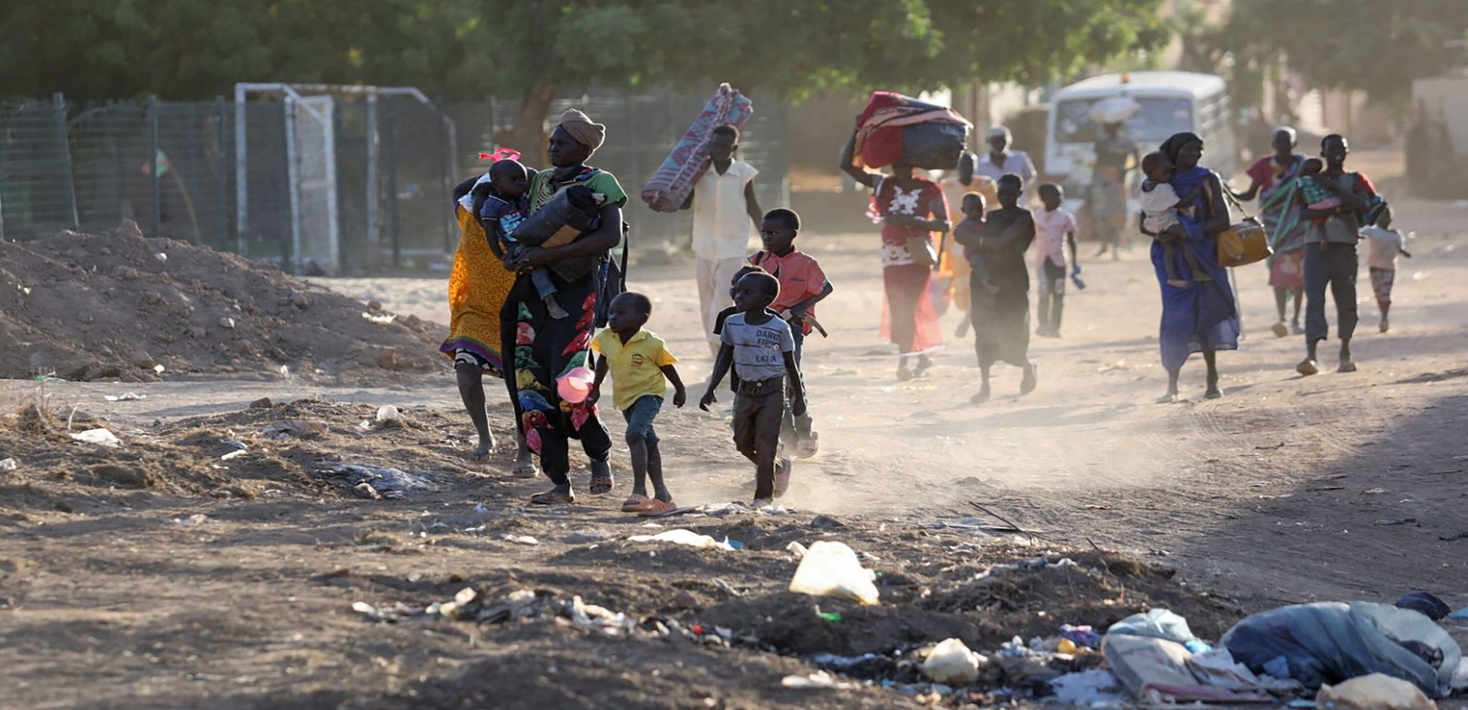
Since the end of 2025, both the military and opposition groups have issued sweeping evacuation orders that often violate international standards. A notable instance occurred on March 6, when a military directive forced aid workers and nearly 270,000 residents to flee Akobo County. These forced movements are frequently paired with government efforts to block humanitarian access to opposition-held territories through administrative hurdles and physical barriers.
Calls for International Sanctions and Accountability
Global partners are increasingly vocal in their condemnation of these human rights violations. However, advocates argue that verbal rebukes must be supported by concrete actions, such as targeted sanctions against those who intentionally block aid delivery. There is a growing call for the UN Security Council to warn South Sudanese leaders that the continued obstruction of life-saving assistance and the targeting of civilians could lead to international prosecution and strict accountability measures.